(click above images to go to articles)
|
|
|
RECENT INKFran Drescher Says Studio Execs Had a ‘Come to Jesus Moment’ During Strikes: ‘They Didn’t See This Coming. They Didn’t See Me Coming’

SAG-AFTRA president Fran Drescher was a model of fearlessness last year during the union’s 118-day strike — the longest in its history — facing down the leaders of the major studios, while maintaining membership solidarity on the picket lines. But she’s quick to admit that the “unrelenting stress” took its toll. Two months after the union ratified its new contract with the Alliance of Motion Picture and Television Producers, her body is still paying her back for what her brain put it through. Recently recovered from a “cold from hell” she brought back to Los Angeles from New York, she’s now dealing with a torn meniscus in her knee.
“I try to be a superwoman, but sometimes my body reminds me that I’m not,” says Drescher. Carrie Malcolm on Being a ‘Money Therapist’ For Celebrity Clients

Very few people plan to become a business manager, and it’s safe to say that hardly anyone ever planned to do so less than Carrie Malcolm.
Malcolm stumbled onto her career path when she found an uncashed $30,000 check made out to her then-boyfriend, a cinematographer named Danny, between the cushions of his couch ... Hollywood’s Top Business Managers Reveal Secrets and Strategies to Managing Famous Clients’ Finances

Money is a complicated thing, both practically and psychologically. It can be a ticket to freedom or a dark presence leading people on a path to destruction, and it’s always a fussy child that needs to be watched carefully and nurtured.
It is an especially thorny topic in the world of entertainment, where money can arrive suddenly and leave just as quickly if not handled properly. Locations, Locations, Locations
I've been writing about productions traveling to far off lands and lands not-so-far ever since Louisiana and New Mexico enacted generous film and TV incentives back in 2003, dramatically altering the way that Hollywood does business.
Below are my latest round of features on the subject. Ontario Entices ‘Reacher’ and More Major Productions With Locations, Crew, Incentives
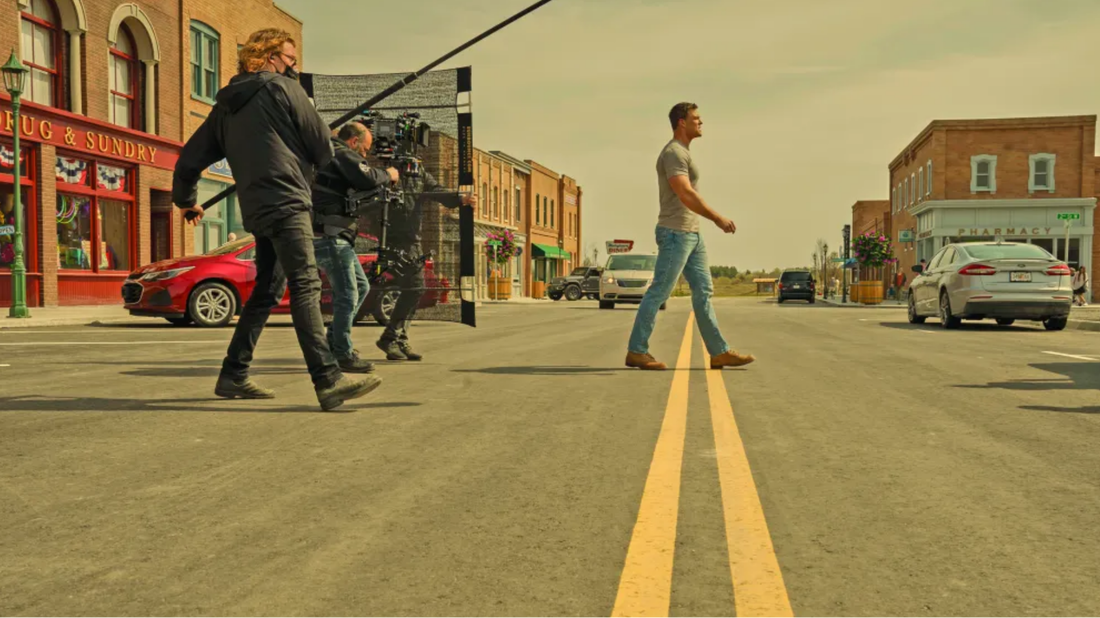
Back in 2021, when the executives at Skydance Television were looking for a place to shoot their Amazon Prime series “Reacher,” based on Lee Childs’ series of novels, Georgia would’ve seemed like the logical choice. After all, the show’s first season is set primarily in a small town in the Peach State, which offers a tax credit of up to 30% and an ever-expanding production infrastructure.
Instead, they picked the Canadian province of Ontario. Oregon Film Scene Expanding Thanks to Diverse Locations, Tax Rebates
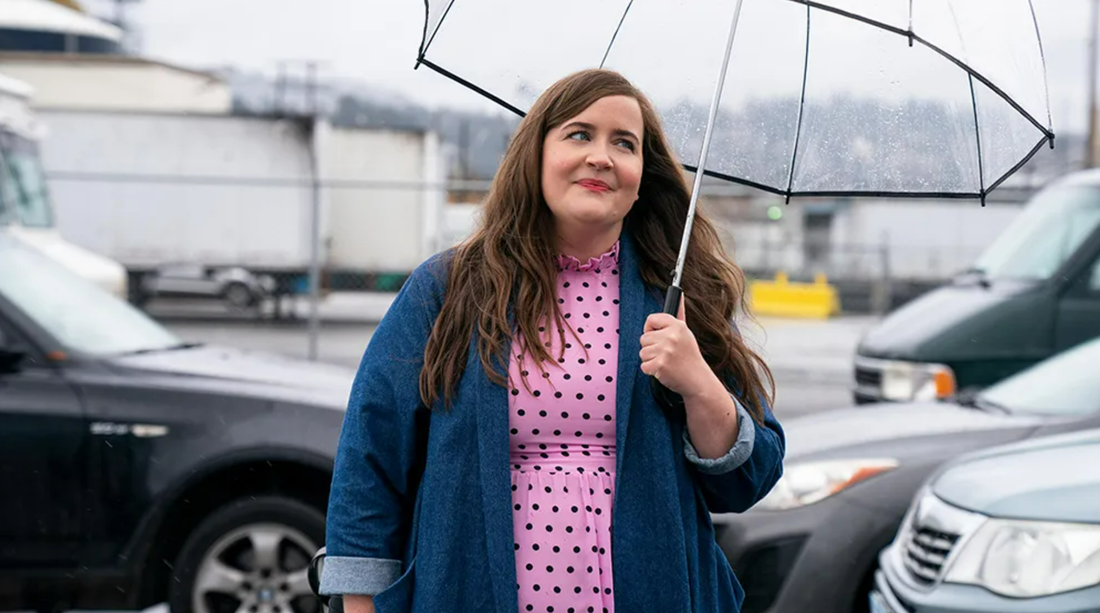
Ask Oregon Film executive director Tim Williams why productions should shoot in the Beaver State, and he’ll spell it out in stark and simple terms.
“The locations are diverse, and we have a 25% cash rebate, and it’s payable as quick or quicker than any other state that I know,” says Williams. Oklahoma Opens More Soundstages as State Draws More Big Productions
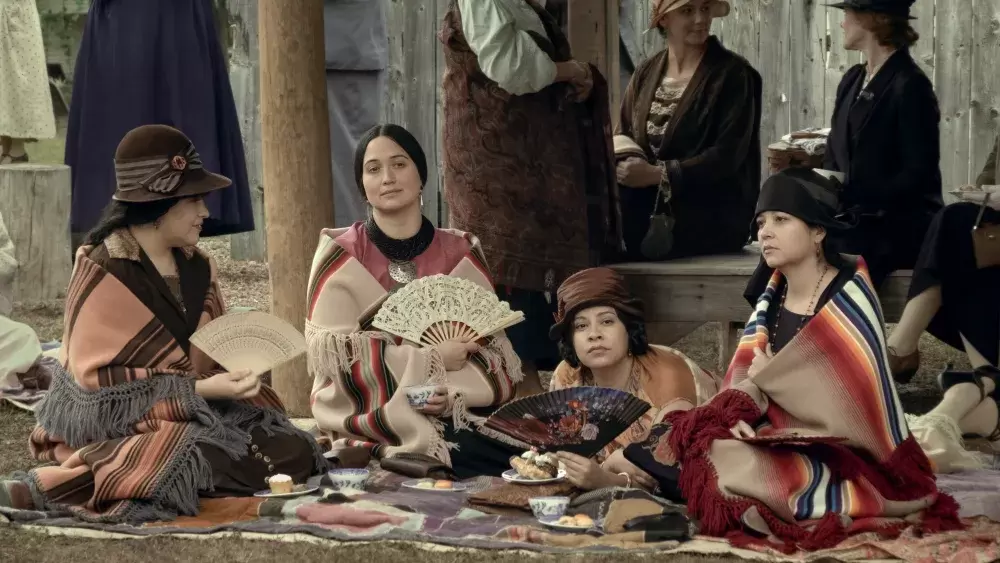
For two decades, Rachel Cannon lived a life in Los Angeles that many would envy. She wasn’t an aspiring actress. She was a working one with a long list of sitcom appearances to her credit, including a recurring role as Deidre on “Fresh Off the Boat.” But in 2020, she decided to return to her native Oklahoma with the idea of traveling back and forth for work, using her home state as a hub. Then, plot twist on top of plot twist, she channeled her memorable role as Don Draper’s realtor in “Mad Men” and hit upon a crazy idea: Why not turn Oklahoma City’s convention center, which was being replaced by a new facility, into a full-service film and TV production complex?
L.A. Seems Soundstage Boom Even as Dark Clouds Loom Over Hollywood

A few years ago, grip-turned-producer Brian Gork and cinematographer Richard Swindell got the idea they could open their own soundstage complex.
“We wanted to design a stage that would essentially be something that would be recommended from every department — art, electric or whoever,” says Gork. Back in the 2000s, it might’ve remained just a crazy, unrealized dream. But thanks to the spike in demand for content created by the streaming explosion, Gork and Swindell made their dream a reality ... Atlanta Plans to Increase Soundstage and Production Facilities
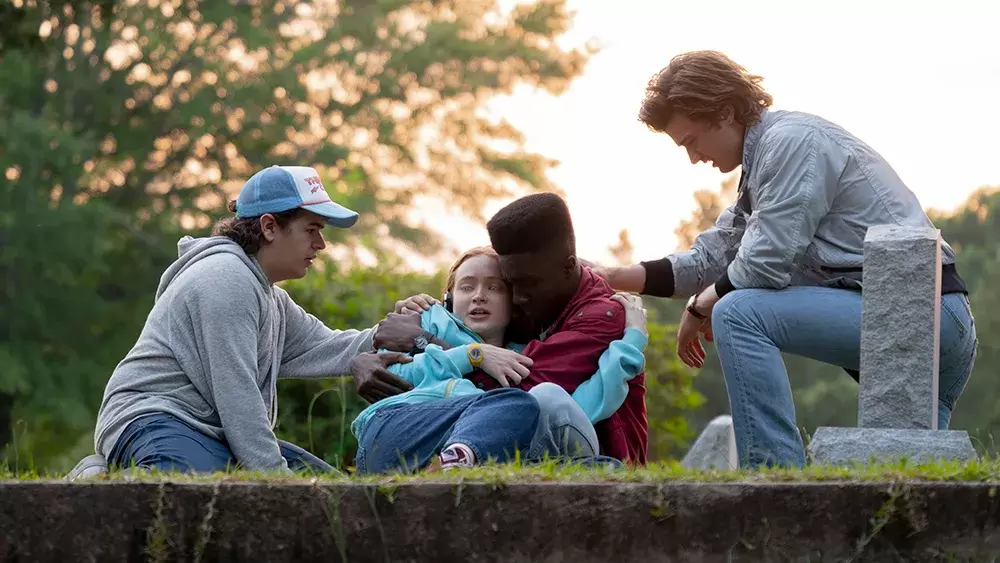
Georgia’s film and TV business has been booming ever since 2008, when it began offering a 20% transferable tax credit with a 10% bump for including the state’s peach logo in the credits. In recent years, it’s hosted “The Exorcist: Believer” and numerous big Marvel projects, including “Black Panther: Wakanda Forever” and the upcoming Disney+ series “Ironheart,” as well as the Netflix hit “Stranger Things.”
How Kentucky Locations, Incentives Make the Bluegrass State a Great Place for Production
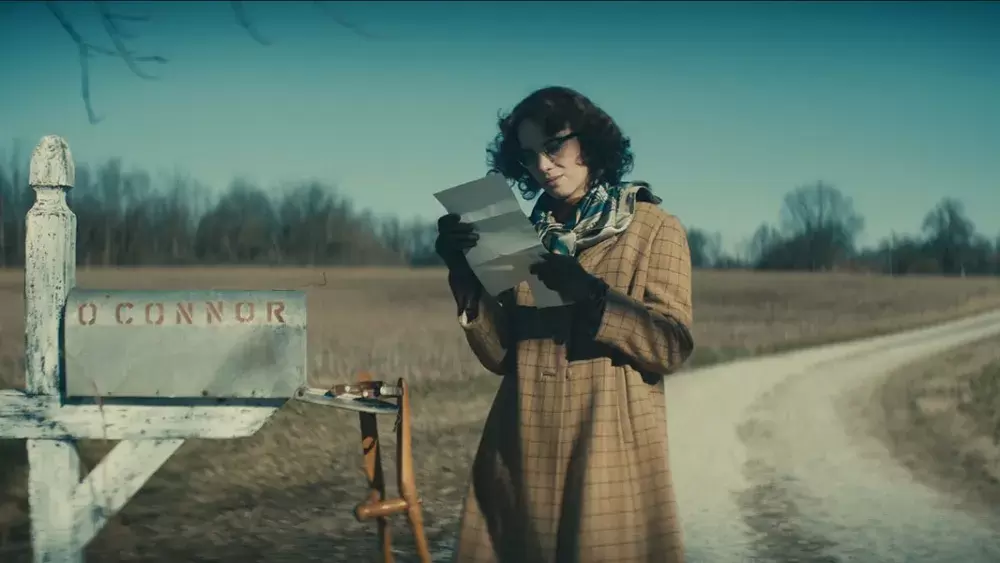
Felipe Dieppa never thought he would set foot in Kentucky. A native of Queens, N.Y., he had a successful career as a child actor, originating the voice of Diego on the animated series “Dora the Explorer” and essaying roles in everything from “Law & Order: SVU” to the movie “Dan in Real Life” before segueing to a career as a producer. But when the pandemic hit, he decided to settle down in Louisville with his fiancée, a Kentucky native who was leaving New York to start a non-alcoholic beverage company in her home state.
When Dieppa arrived, he discovered a thriving grassroots arts scene, a welcoming populace that defies coastal prejudices about “red state” inhabitants, and a film and TV industry that is just beginning to take off, aided by a 30%-35% tax credit. From Los Angeles to Norway: Inside the Filming Locations of ‘Succession,’ ‘Welcome to Chippendales’ and More of This Year’s Biggest Dramas
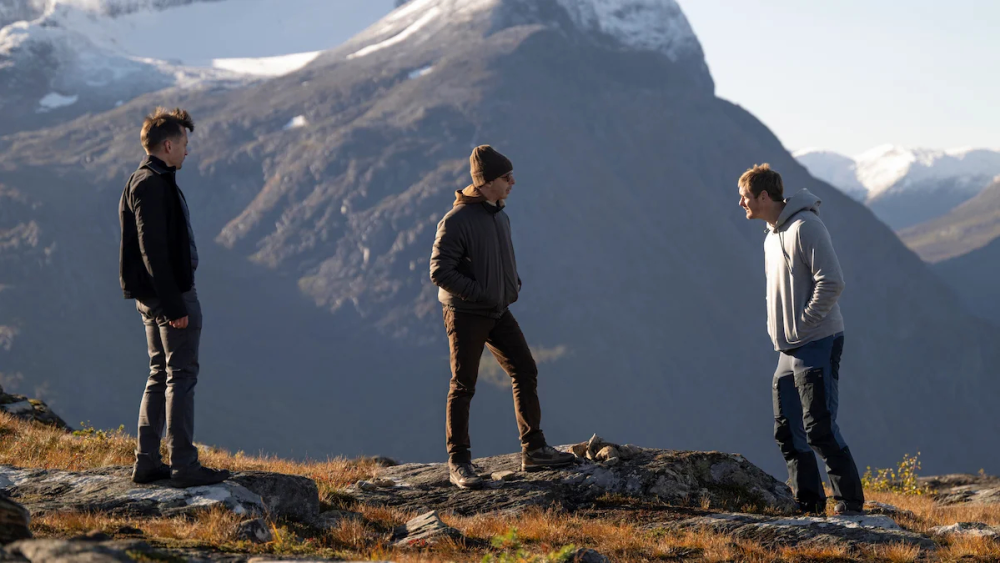
This year’s batch of Emmy-nominated series is rich with visually arresting locations that subtly buttress dramatic themes and flesh out the lives of its leading men, from the Altadena Craftsman that serves as the home of grieving therapist Jimmy (Jason Segal) in Apple TV+’s “Shrinking” to the California prisons (the California Correctional Institution in Tehachapi and the Stark Youth Training Facility in Chino) that house Bill Hader’s title character in HBO’s “Barry” to the downtown L.A. high rise where covert-agent-on-the-lam Dan Chase (Jeff Bridges) lives when he’s posing as a wealthy investor in FX’s “The Old Man.”
And, it turns out, choosing a location is not dissimilar to casting an actor, with looks, price, and personality all factoring into the decision. ‘Maestro’ Among Surge of Productions Using Incentives, New Facilities in Massachusetts
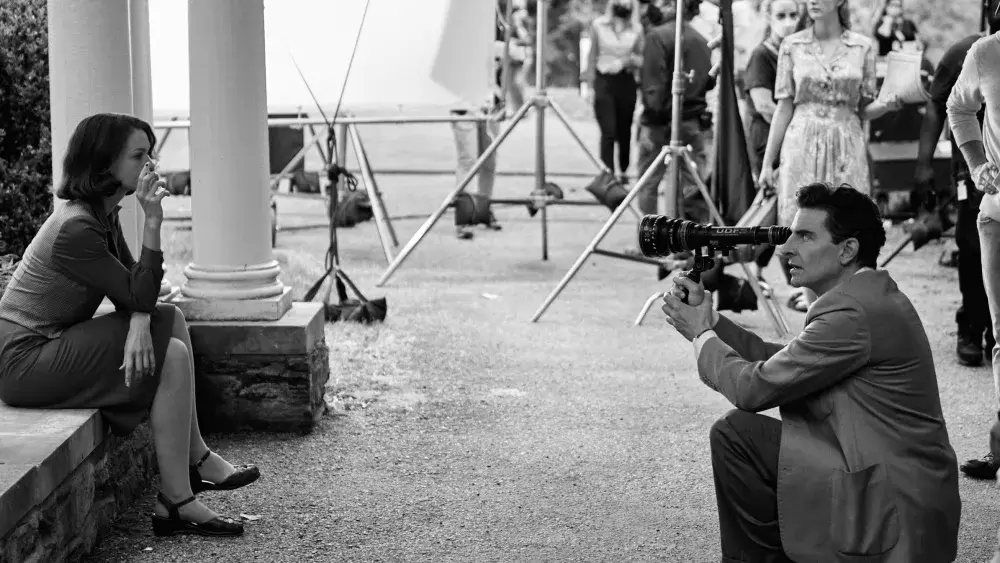
When people discuss busy U.S. production hubs outside of Los Angeles and New York, they tend to namecheck Georgia and New Mexico. But since Massachusetts enacted a 25% film and TV credit in 2007, the commonwealth has quietly established itself as another top destination for Hollywood, attracting a large volume of high-profile projects, including the franchise-spawning hit “Knives Out” and best picture Oscar-winners “CODA” and “Spotlight,” as well as current awards contenders such as Bradley Cooper’s Leonard Bernstein biopic “Maestro” and Alexander Payne’s comedy-drama “The Holdovers,” starring Paul Giamatti and Dominic Sessa.
‘House of the Dragon’ Production Designers Worked With Authorities to Make Spain Look Less Clean Without Changing Stonework
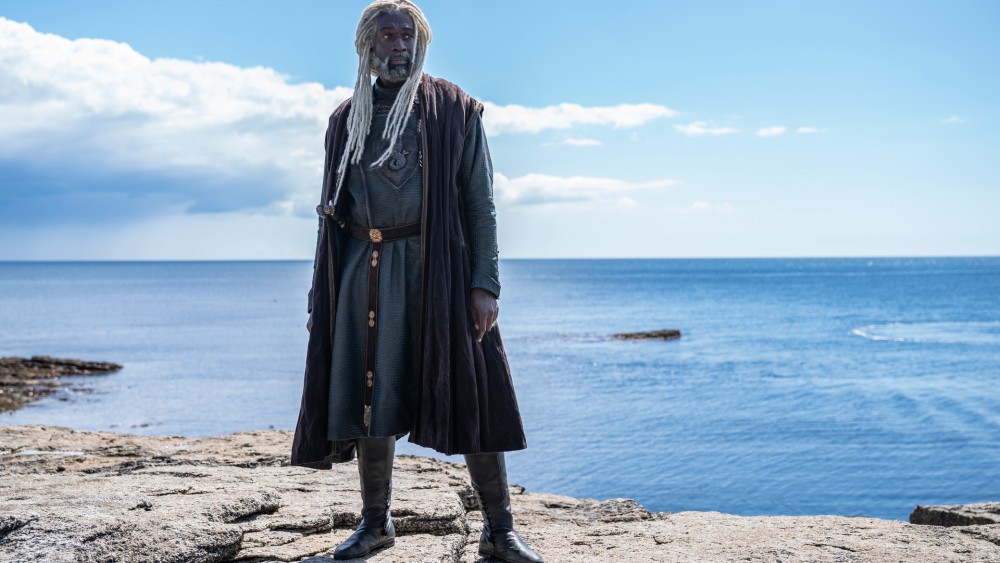
From the majestic-but-aged environs inhabited by the British royals Netflix’s in “The Crown” and the decadent sun-drenched luxury of the San Domenico Palace resort in Taormina, Sicily, in HBO’s “The White Lotus” to the foreboding Ontario wilderness where a girls’ soccer team is stranded in Showtime’s “Yellowjackets,” the locations used in this year’s Emmy-nominated dramas loom so large they can be viewed as characters unto themselves that interact with the performers and help shape the narrative.
How ’Bad Sisters,’ ‘The Diplomat’ Shot in Tourist Landmarks for Maximum Effect

The locations featured in this year’s batch of shows featuring Emmy-nominated actresses can be viewed in simple terms as diorama boxes or proscenium stages. They are settings that help define and confine characters, such as the near-future dystopian Republic of Gilead (portrayed by Toronto) or — as with the Sicilian resort setting for Season 2 of HBO’s “The White Lotus” — and give them the space explore their truer selves in ways that are alternately freeing and tragic.
How Mediation Helps Clashing Celebrities Avoid Costly & Embarrassing Public Litigation

For every publicly visible and contentious Johnny Depp v. Amber Heard trial, there are dozens more that never see the light of day.
More often than not, a showbiz lawsuit that begins with plaintiff and defendant slinging accusations back and forth in the headlines ends quietly with a below-the-fold story announcing that a confidential settlement has been reached. Yet, for those players who haven’t been through the process, what goes on behind the scenes remains something of mystery. Such settlements are often achieved through third-party mediation, which, unlike arbitration, never mandates a binding decision. According to a survey of judges and attorneys published by the American Bar Assn. in December, 2020, mediation is the fairest way to resolve civil cases, followed by jury trials, bench trials and, lastly, arbitration. It’s also increasingly common. Bondit's Bold Take on Creative Capital

It is often said that the secret to becoming a successful entrepreneur is finding a need and filling it. When Santa Monica-based BondIt Media Capital launched in 2013, it zeroed in on the deposits productions must leave with SAG-AFTRA, DGA, IATSE and other guilds to ensure that their members get paid in a timely fashion.
The company co-founders — CEO Matthew Helderman and COO Luke Taylor — knew from their experience working in the production trenches that these deposits, which sometimes take up to six months to be returned, can create a significant cash flow problem for low-budget projects during principal photography. So they decided to offer a deal: producers would pay the unions, then BondIt would reimburse their cash outlay, minus a fee (typically 12%-15%), and collect the deposits when they were returned. It wasn’t exciting, it wasn’t big-time, but it was a foot in the door. Malta Attracting Big-Budget Shoots With Aggressive Incentives & Adaptable Locations

Located in the Mediterranean Sea, 50 miles south of Sicily and 176 miles east of Tunisia, the island Republic of Malta has a long history as a filming location stretching back to the 1925 silent “Sons of the Sea.” Its picturesque ports and historic sites have made notable appearances in swashbucklers (1995’s “Cutthroat Island,” 2002’s “The Count of Monte Cristo”), sword and sandal epics (2000’s “Gladiator,” 2004’s “Troy”) and more recent titles like Apple TV+’s “Foundation” and last year’s “Jurassic World: Dominion,” shot in 2021, in which dinosaurs chase Chris Pratt and Bryce Dallas Howard through the streets of St. George’s Square in its capital city of Valletta.
In 2022, the country hosted 24 projects — including Ridley Scott’s historical epic “Napoleon,” starring Joaquin Phoenix — employing more than 900 Maltese and 1,000 foreigners, generating $94 million in economic activity, giving the production community its best year in a decade. It’s on track to do even better in 2023, with Scott returning yet again this summer to shoot “Gladiator 2,” starring Denzel Washington, which is expected to employ hundreds of local below-the-line workers. Playing Hard But Working Harder Pays Off
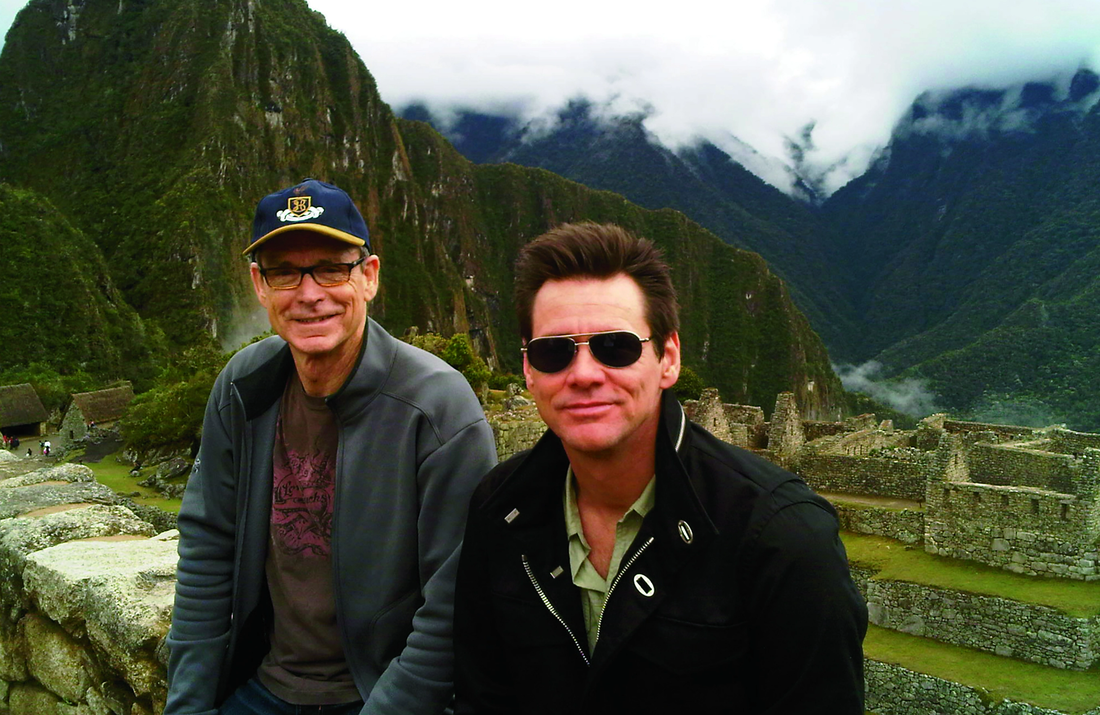
The year was 1987. John Rigney had been at Jess Morgan & Co. since 1972, rising from bookkeeper to business manager. His bosses were like parents to him, but he’d decided it was time to break away and hang out in his own shingle.
Rigney couldn’t take any of the clients he worked with. They were mostly music biz superstars too lofty to be handled by his tiny upstart. But, as he was heading out the door, the firm decided to cut loose a low-earning, none-too-promising client. He was a comedian, thrice rejected by “SNL.” After starring roles in a short-lived sitcom (1984’s “The Duck Factory”) and a low-budget vampire comedy (1985’s “Once Bitten”) failed to ignite his career, he had abandoned the impressions that were the core of his stand-up act and was surviving on $20-a-night gigs. His name was Jim Carrey. Rigney agreed to take him on. Cherokee Nation Opens Screen Doors to Martin Scorsese, Other Big-Budget Shoots

When producer Gerald Webb came to Claremore, Okla., to shoot “A Christmas … Present” in late September, he knew the production would get great small-town Middle America looks and, more importantly, an exceptionally good deal.
Because Claremore is located within the Cherokee Nation, which covers 7,000 square-miles in the northeastern corner of the state, the telefilm (which premieres Nov. 27 on the Great American Family Network) not only qualified for Oklahoma’s film and TV rebate, which can range from 20% to 38%, it was also able to take advantage of the tribe’s incentive program, which includes a 20% cash rebate on wages for Native American below-the-line workers, with an additional 5% uplift for Native Americans who are members of the Cherokee Nation or reside within its borders, as well as 20% on all local spend. What Webb didn’t expect were the frozen treats. Biz Managers Advise Clients on Real Estate Investments Amid Shifting Market

Digital Studio Pocket.watch Builds Kids’ Biz on YouTube Stars

To get a sense of Pocket.watch’s rapid rise, look no further than the Macy’s Thanksgiving Day Parade.
The start-up was launched by founder and CEO Chris M. Williams in March 2017 with a mere $6 million in Series A funding and the bold goal of taking digital kids and family content creators and turning them into multiplatform franchises. A mere 3 1⁄2 years later, in November 2020, a 42-foot-tall Red Titan balloon depicting the superhero alter ego of Ryan Kaji, star of its top YouTube channel Ryan’s World, floated down 34th Street in Manhattan alongside iconic characters such as Snoopy, SpongeBob and Pikachu. FX's "Impeachment": Behind the Scenes
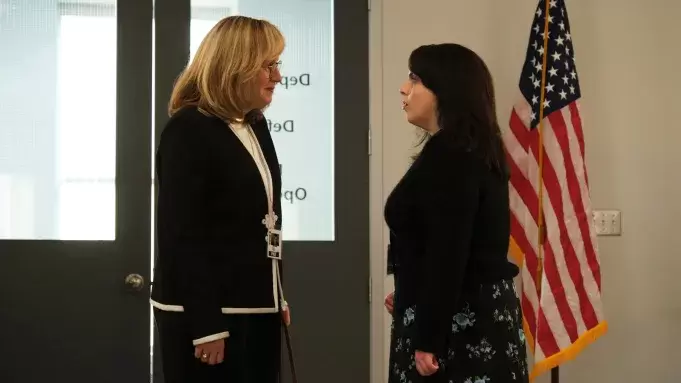
The most important item of clothing in the Clinton-Lewinsky affair was not the blue dress.
‘Jumanji’ Sequel Team Raced to Overcome Creative Obstacles
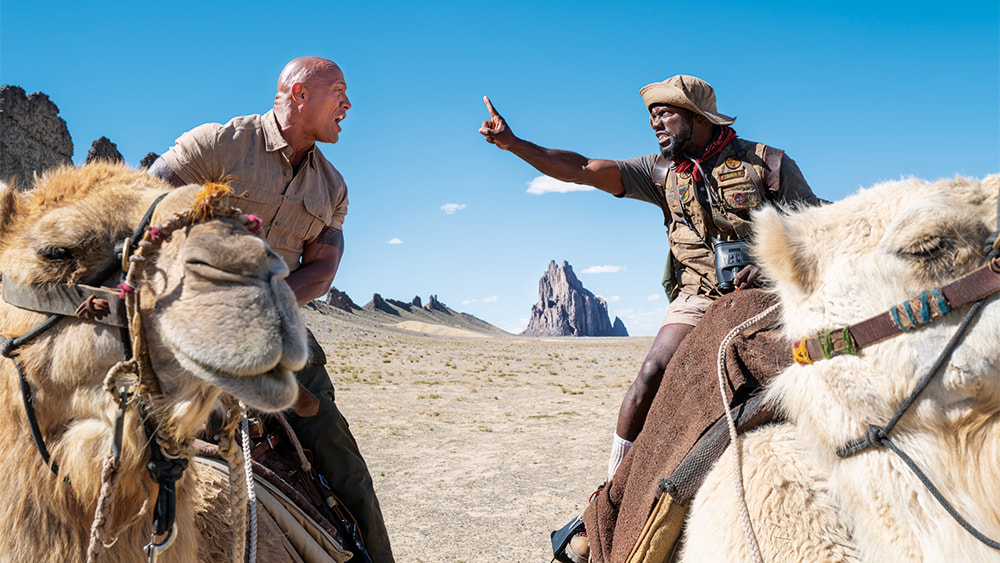
Producer Matt Tolmach wasn’t surprised that Sony Motion Picture Group chairman Tom Rothman wanted a sequel to “Jumanji: Welcome to the Jungle.” After all, the film didn’t just open big two years ago this month; its box office take actually increased 38.4% in its second weekend of release — a rare feat for a studio tentpole movie.
But Rothman wanted the sequel, “Jumanji: The Next Level,” for Christmas 2019. That gave Tolmach and Co. a short window to reassemble the movie’s busy stars — including Dwayne Johnson, Kevin Hart, Jack Black and Nick Jonas — and come up with a storyline that justified the film’s existence. “We didn’t want to make the sequel because that’s what you do,” says Tolmach. The plot had to be “in keeping with the spirit of the first movie, but at the same time turn it on its ear completely.” Warner Bros.' Blair Rich on the Secret of the Studio's Marketing Success

Warner Bros. exec Blair Rich would be a worthy recipient of the Variety Marketing Visionary Award Presented by Spotify based on “Joker” alone. Rich and her team crafted a spare, haunting campaign that helped turn the intellectually challenging, darkly comic drama into not just a worldwide smash, but the highest-grossing R-rated film of all time and the most profitable comic-book movie ever.
“Every movie is a stark contrast to ‘Joker’ because ‘Joker’ is such an audaciously original film,” says Rich. Taking Movie Audiences Back in Time
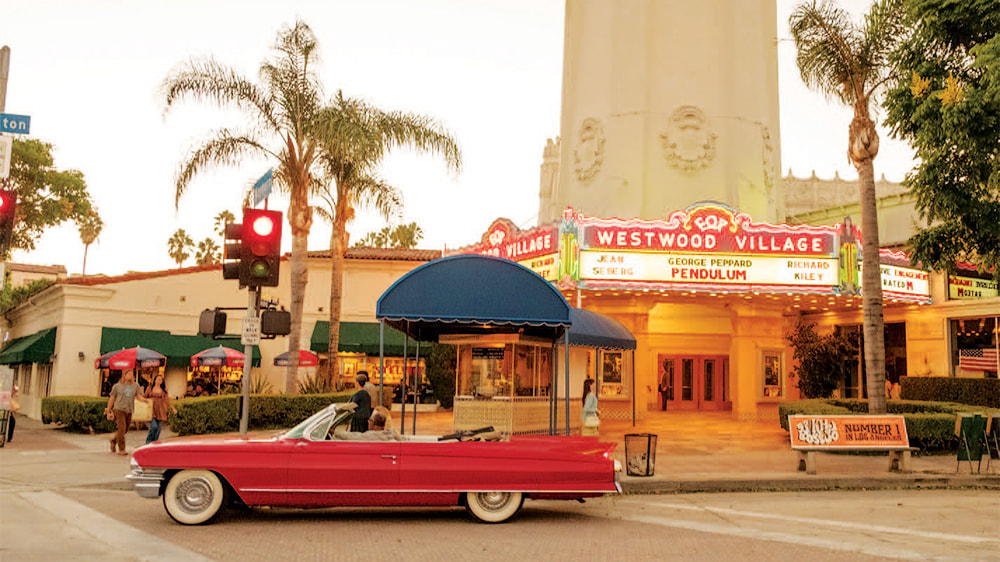
For “Joker,” production designer Mark Friedberg and set decorator Kris Moran didn’t exactly re-create period New York City, but instead fashioned a rough equivalent of its down and dirty environs circa 1981 for the film’s fictional Gotham City setting.
For Gotham Square, Friedberg transformed the corner of Market and Broad streets in Newark, N.J., adding low-rent store fronts, porno theater marquees and graffiti, along with truckloads of fake garbage. “One of the things that I loved about ‘Joker’ is, as gritty as it is, the walls of the city are actually places where feelings, thoughts, art and politics are expressed through graffiti,” says Friedberg. How Social Media is Inspiring TV Shows

For those looking to get an easy handle on how thoroughly the digital revolution has reshaped the entertainment landscape, look no further than actor/comedian David Spade’s new Comedy Central talk show “Lights Out With David Spade,” which was inspired by a series of Instagram posts.
“I’d walk around and try to do jokes instead of just here’s my food, here’s my dog, and it sort of started talk,” says Spade, who begins each episode of the talker with a video selfie. “I had network executives DM’ing me, saying, ‘This is different. Could you spin this into half hour?’ And that got me thinking, and then it started meetings and started pilots.” Behind the Scenes of the 'Fast & Furious' Spin-Off 'Hobbs & Shaw'
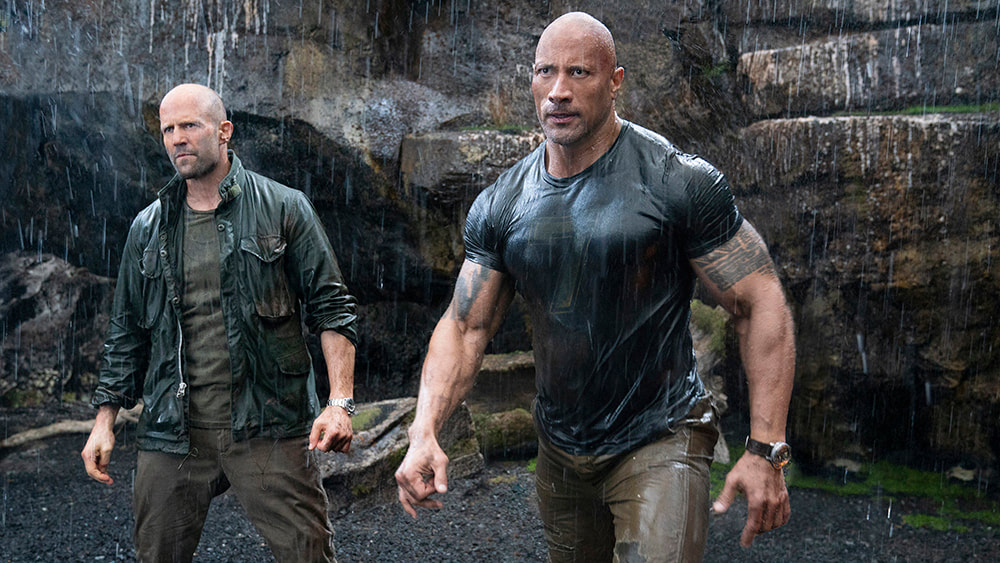
Universal had been pondering a “Fast & Furious” spin-off for several years, kicking around various ideas. But it was fan reaction to the antagonistic comedic interplay between unlikely allies Luke Hobbs (Dwayne Johnson) and Deckard Shaw (Jason Statham) in the eighth installment of the franchise, 2017’s “The Fate of the Furious,” that finally moved execs to make “Fast & Furious Presents: Hobbs & Shaw."
How the Digital Era is Changing How Directors Interact with Actors
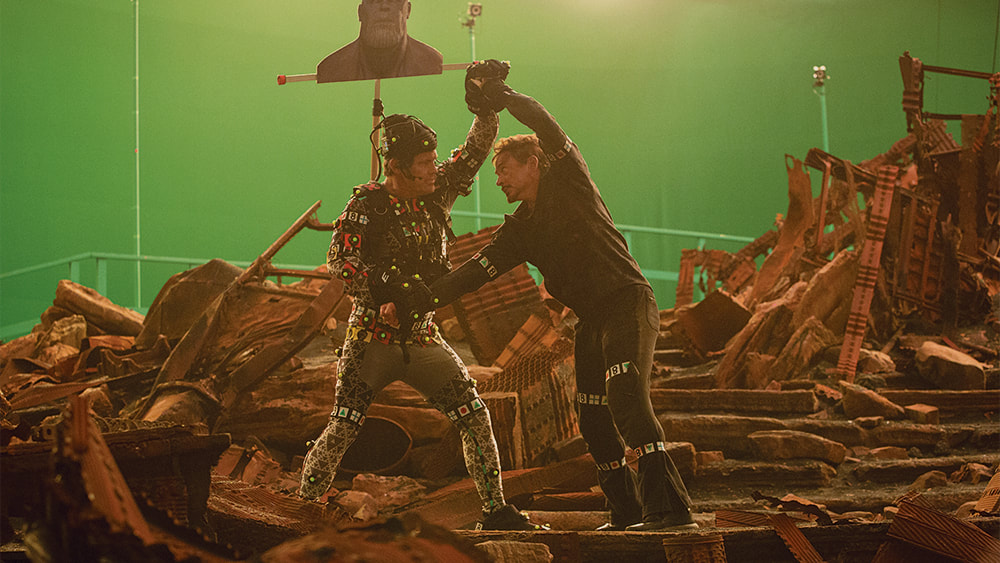
Josh Brolin hardly looked tough shooting his role as super-villain Thanos in Marvel’s “Avengers: Endgame,” dressed as he was in a skintight motion capture bodysuit with multicolored tracking markings, two HD cameras attached to headgear pointing at his dotted face, and a pole sticking up from the back of his vest holding a cardboard cutout of his character’s countenance above his head. But the sibling directing team of Anthony and Joe Russo still acted as if he were a badass.
“Brolin would love it that we would treat Thanos like he was a gangster character,” says younger brother Joe Russo. “We’d use terminology that would be reflective of that and say he’s a psychopath and he wants control, not he’s a giant purple creature who relates to the universe this way, so he could correlate it to a genre and character motivation that he could access.” Will Academy's Shifting Demos Sway Voters Away from Period Design?

On its merits, “Isle of Dogs” should be a strong contender for the Academy Award for production design. Virtually every landscape, background and object in the stop-motion animated film was crafted by the art department — from the endless garbage of Trash Island to a tiny sticker on the back of a TV — transporting audiences to a fanciful, retro-futuristic, alternate history of Japan.
But a stop-motion animated film has never been nominated in the category. And voters traditionally favor historical films, as evidenced by the resume of one the film’s key aesthetic influences, production designer Ken Adam, who did wildly imaginative, trend-setting design work on seven James Bond films, including the Japan-set “You Only Live Twice,” but won his two Oscars for a pair of British costume dramas: 1975’s “Barry Lyndon” and 1994’s “The Madness of King George.” However, the category’s period film favoritism could become history, thanks to the Academy of Motion Picture Arts and Sciences’ rapidly shifting demographics. AMPAS has invited a record number of new members each year for the past four years — 2,707 invitees — expanding its membership to more than 9,200, and simultaneously increasing the number of women and people of color significantly and reducing the median age. So what once were dark horses could now be front-runners. Variety Innovate Summit Tackles Hollywood’s New World Order
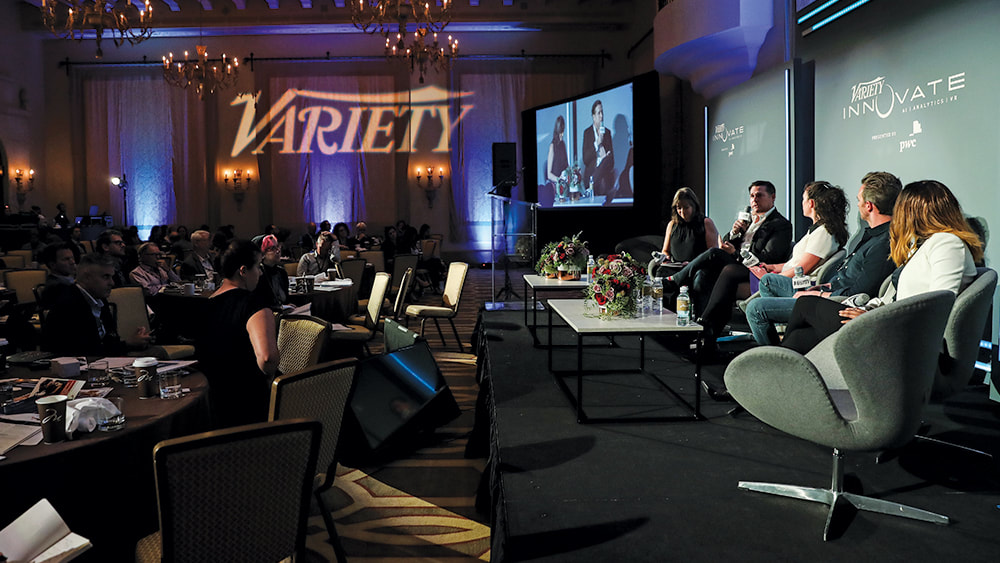
As much as people want to combine science and showbiz, they know the two can make for strange bedfellows, especially when one tries to use data to engineer creativity.
“If you go and take a very traditional data-science approach to the industry, you might run into brick walls that you have almost created by your own approach,” says Matthew Marolda, president of applied analytics at WarnerMedia, who’ll be giving a fireside chat at the summit. “You’re operating in a space where, unlike in other analytic environments, you have to use the information and make your best guess. Doing a lot of testing is difficult. That ambiguity is a fascinating, challenging aspect of it, and it’s still a nascent undertaking.” Imax Built Big Biz With Super-Sized Filmmaker Support
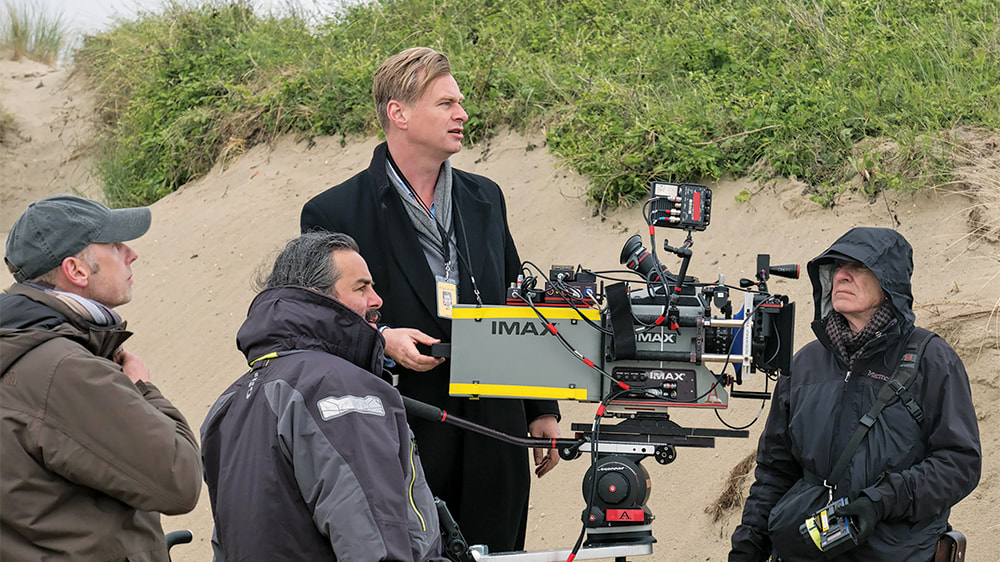
For five decades, Imax has given audiences an unmatched cinematic spectacle, with ultra-pristine, high-definition images projected on screens nearly six stories high. The experiences have wowed and inspired viewers, many of whom have become passionate proponents of Imax’s patented technologies.
Imax has thousand fans in the industry, including big-name directors such as Christopher Nolan (“The Dark Knight”), J.J. Abrams (“Star Wars: The Force Awakens”) and James Cameron (“Avatar”). But the company can count its fans in the millions when you consider all the passionate moviegoers who flock to its spectacular venues. That’s the wow factor. “When people see a movie on Imax, it’s something they talk about,” says Jon Landau, producer of “Avatar” and Fox’s upcoming “Alita: Battle Angel.” “It has an impact on word-of-mouth.” Winter Games Athletes Lack Star Power

The 2016 Summer Olympics in Rio featured swimmer Michael Phelps, already the most decorated Olympian ever, returning from retirement. Others, too, came to Rio with multiple golds, big endorsements and well-known backstories, including U.S. gymnast Gabby Douglas and Jamaican sprinter Usain Bolt.
The 2018 Winter Games in Pyeong-chang, South Korea, have just a flicker of that star power ... ‘Fate of the Furious’ Sound Crew Had to Go Bigger, Louder
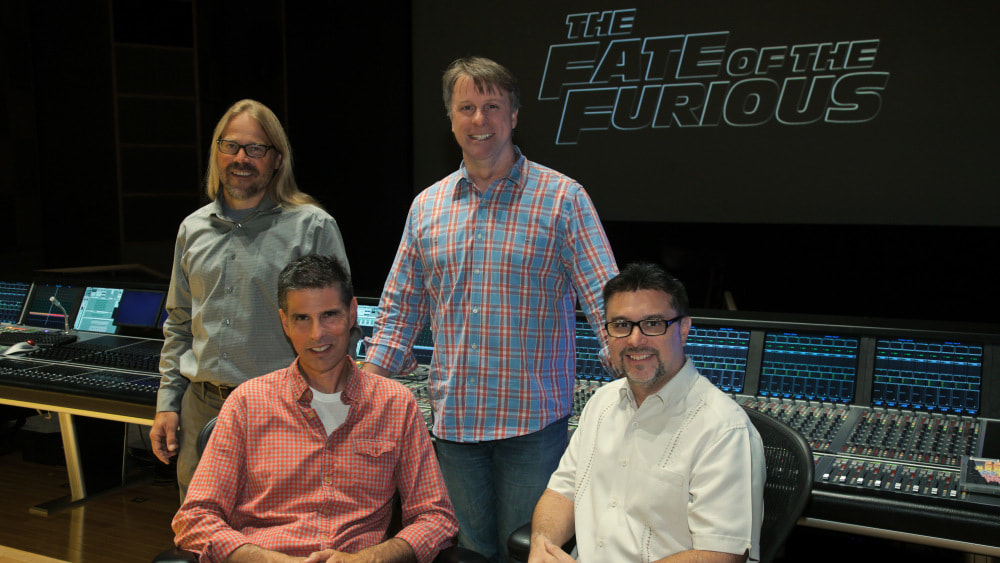
It’s hard to imagine that a single sonic failing could derail a film, but that’s exactly what the sound team was grappling with on Universal’s “Fate of the Furious.”
It was the moment in which Dominic Toretto (Vin Diesel) stomps on a red button on the floorboard of his souped-up 1971 Plymouth GTX, and the car goes into misfire mode, giving him a ruse to slip from the clutches of criminal mastermind Cipher (Charlize Theron). The audience needed to be convinced that the misfiring engine sound could fool Cipher, and make sure people would buy it. “The whole film almost unraveled at that point,” says supervising sound editor Peter Brown. “Basically, we gave [re-recording mixer Frank A. Montaño] every sound effect of a stalling car that’s ever been recorded and he did something with it — a lot of different times.” Choppers vs. Drones: The Battle for Cinematic Air Supremacy
For decades, helicopters ruled the sky as Hollywood's go-to vehicle for capturing spectacular aerial shots. But in recent years they've been challenged by drones. Who's winning? I try to find the answer in my latest article for Variety, in which I visit the set of the CBS series "S.W.A.T." as they film an action sequence where star Shemar Moore hangs out the side of a helicopter, and get a demo from leading drone maker DJI.
Also check out the accompanying video (above) that I shot, edited and narrated.
Do Tight TV Schedules Put Stunt Performers in Danger?
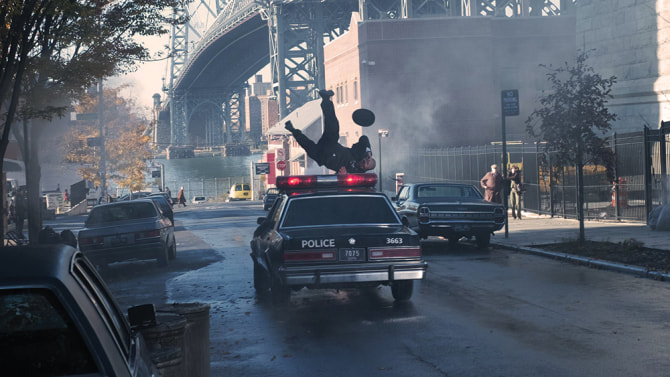
It was supposed to be part of a routine fight scene. But when 33-year-old stuntman John Bernecker fell from a balcony on the Georgia set of AMC’s “The Walking Dead” on July 12, something went wrong. He missed the safety padding by inches, and his head hit the concrete 22 feet below. He died five hours later in an Atlanta hospital after being taken off life support.
The incident has renewed long-simmering concerns about set safety, especially as they pertain to television. Thanks to the increasing proliferation of original scripted programming on cable and streaming outlets, more and more shows are one-upping each other with movie-quality stunts. But they’re still shot on tight, small-screen schedules (typically nine days for a 60-minute episode), on budgets dwarfed by their big-screen counterparts. “As safe as you try to make things, and as much as you try to control everything in your power, there’s always going to be a level of risk,” says stunt coordinator Norm Douglass, Emmy-nominated for Fox’s “Gotham.” |
How a Revamped Golden Globes Could Impact Awards Season
Will the revamped Golden Globes be a polite, Disney-fied, virgin margarita version of the boozy irreverent kudocast that has viewers longing for the bad old days like aged hipsters waxing rhapsodic about when the mob ran Las Vegas or a legit challenger to the Academy Awards?
Zombies, Explosions, Bulimia and a Creepy Clown Serial Killer!
I don' t just write about the work of others, I make stuff, too. In this case, I wrote and recorded a song, then made a music video (above), telling the harrowing tale of a onetime starlet who persists in pursuing her show biz ambitions long after the powers that be have metaphorically left her for dead. And I did it with fashion dolls and action figures.
It makes use of about three dozen locations, both real and virtual, from a red carpet event at the Chinese Theatre on Hollywood Blvd. to the back alleys of Lisbon, Portugal. And it's got almost as much plot as the "Barbie" movie. Variety Intelligence Platform
Special Reports I've written a series of in-depth special reports for Variety Intelligence Platform, the entertainment bible's new offering exploring "trends, issues and data relevant to professionals working in and around the media business in the age of disruption."





R.I.P. WILLIAM HURT
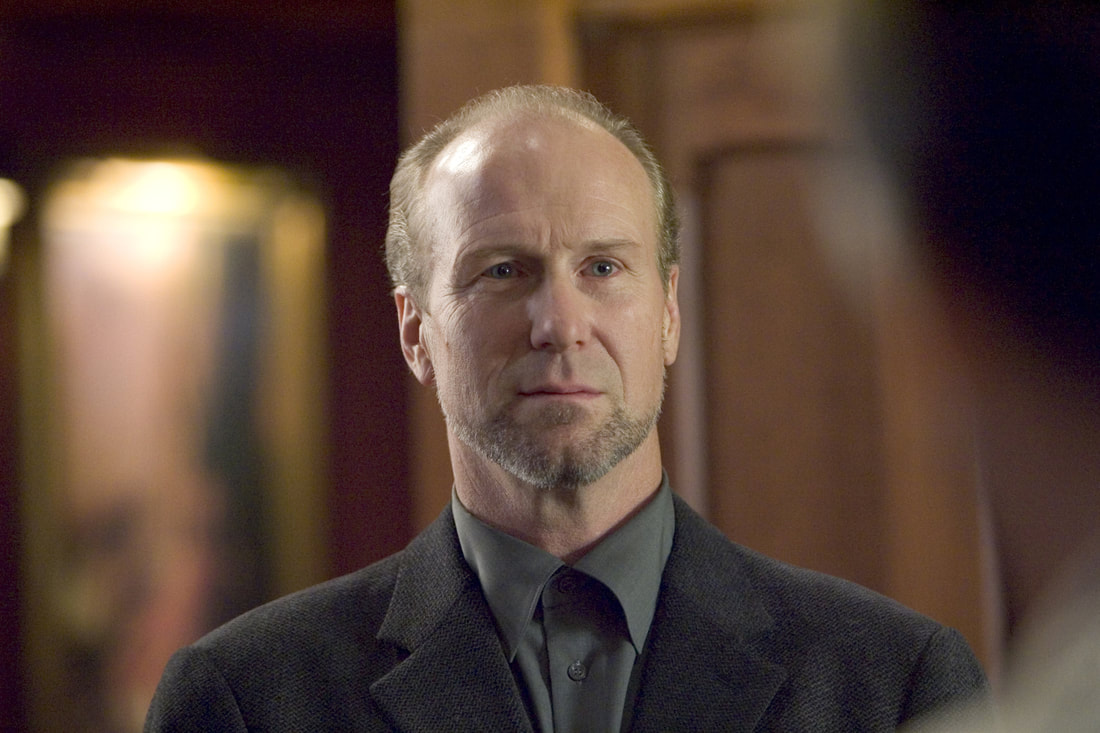
I was shocked by how shocked I was when I heard William Hurt had died. Like so many others, I didn't see it coming. Back in 2005, I had the opportunity to interview him for an article for The Hollywood Reporter about ensemble acting. Years earlier, people who'd worked with him early in his career told me he had a tiresome tendency to bloviate. This may be true. It kind of squares with other things I've heard about him. But it really worked for our interview. To be clear, he wasn't pompous or insufferable. He took the subject seriously. He didn't treat our conversation as yet another in a long string of awards season promotional obligations. He didn't try to manipulate me with false flattery and charm. He told me the subject was important to him and he had some thoughts he was eager to share, and he proceeded to do just that. There was no ticking clock, no publicist on the line to say "last question." It was late in the day, it was raining outside and I was alone in the house. It felt genuinely intimate. I can't remember exactly how long our conversation lasted, but it was pretty lengthy as far as these things go.
There is an element of the experience left me with a bad taste in my mouth, but it wasn't anything Hurt did. I quoted Hurt as saying, "An ensemble is the only thing that allows you to be selfless enough to really depict the [story]. It's also the thing that liberates you from your cheap selfish self," and an editor added "he jokes" without consulting me. Hurt wasn't joking. He was deadly serious. Thinking about that line now, I find it to be both revealing and insightful. The article also had me talking to Jeff Daniels, Ralph Fiennes, Rosario Dawson, Frank Langella, Emily Mortimer, Tony Shalhoub, Jimmy Smits, Jill Hennessy and David Strathairn and writer/directors Paul Haggis and Stephen Gaghan. DIVERSITY/#METOOHow Hollywood's Stunt Industry Struggles with Race and Blackface
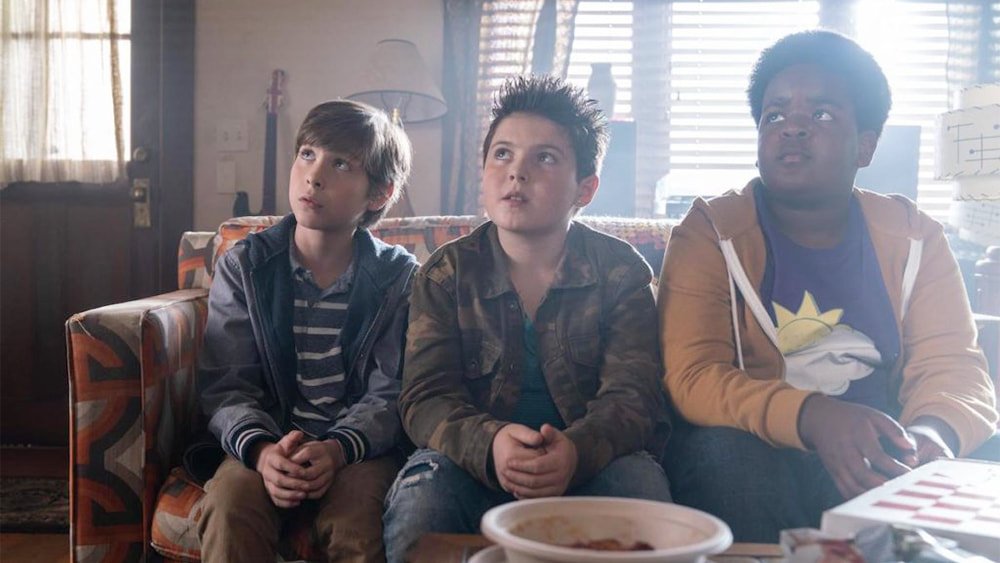
In August, a photo surfaced of a boy in an Afro wig with makeup-darkened skin standing in for 11-year-old African-American actor Keith L. Williams on the Vancouver set of “Good Boys,” a comedy about three sixth-graders who ditch school and wind up on a road trip. The image sparked online outrage, and Seth Rogen, one of the film’s producers, quickly apologized, declaring that on all future projects his team would “take every precaution to make sure something similar does not take place again.”
It turned out that the boy in the makeup, reportedly the son of a stuntman, was African-American but had a lighter skin tone than Williams. The revelation doesn’t change the disturbing nature of the visual — which summons the racist specter of blackface. But it speaks to challenges facing the stunt community as it grapples to provide minority representation in a charged sociopolitical atmosphere where a job can be lost over an inappropriate tweet. Greater Diversity in Entertainment Law Might Finally Be on the Way

Ask entertainment attorneys of color about diversity in their chosen profession, and you’ll hear plenty of examples about an industry that loves to talk about inclusiveness but falls short in practice.
Costume Designers Fight Gender Bias and Pay Inequity
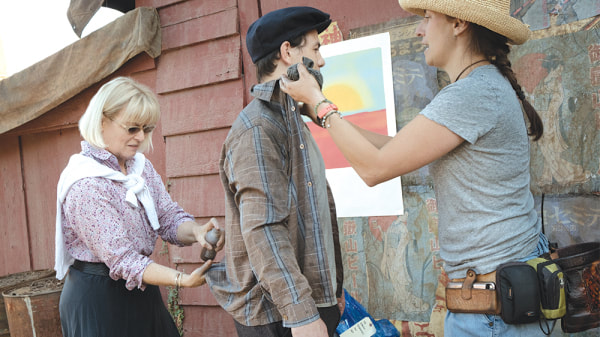
Costume designer Jennifer Johnson (“I, Tonya”) was blissfully unaware that she was less valued than her peers until she was given the wrong paycheck and discovered that the production designer she was working with on a low-budget film was getting paid a thousand dollars a week more than she was.
“I took it for granted that I was the head of a department, the same as production designers, and surely we were getting paid the same,” says Johnson. Maybe she was a bit naïve. And maybe her lower pay rate was a result of gender bias against a guild that is predominantly female. Morgan Freeman’s Biggest Revelation: He Could Shape His Own Destiny
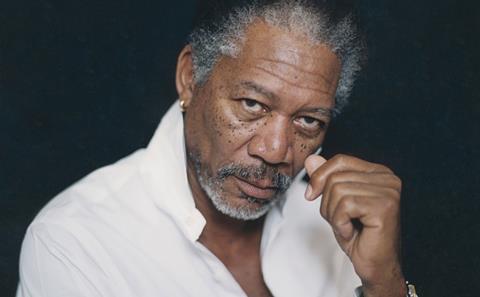
Like many men of his generation, Freeman grew up playing cowboy and watching Westerns. But, as an African-American, he didn’t see many people who looked like him riding high in the saddle on the big screen, literally or figuratively. There were a few who were given respectable but not necessarily fully developed roles, including “Spartacus” gladiator Woody Strode and “Adventures of Huckleberry Finn” co-star Rex Ingram, but most high-profile black actors appearing in mainstream films, such as Stepin Fetchit, Mantan Moreland and Willie Best, played subservient, stereotypical characters.
“There was no historical evidence that anyone black was doing anything other than nothing,” says Freeman. New Mexico Ex-IATSE Official Accused of Sexual Harassment Still Casts Long Shadow

I take a peek into a seemingly bottomless pit of corruption in New Mexico. There's a lot more to be detail yet to be revealed, and I hope to shine a light into every crooked nook and cranny in a future article.
The #MeToo movement has derailed the careers of big-name stars and studio execs right and left, but the impact isn’t limited to the rich and famous ... Cinematographers Blaze New Trails in Digital World

The classic image of a cinematographer is that of a middle-age white male squinting into the viewfinder of a bulky 35mm Panavision camera, but that image is evolving, and not just because more women and people of color are working as DPs.

Pasted in a corner of Eddie Smith’s scrapbook is a small, yellowed newspaper clipping from 1969 telling of a helicopter crash on the set of a war movie in which a pilot and two stuntmen “escaped injury.” The movie was “MASH”; Smith was one of the stuntmen; and as he walks across the den of his Culver City home on this spring day more than 30 years later, he still has a limp from that accident. Although he’s free to grouse about the pain now, back then he held his tongue.
“I couldn’t mess it up for the rest of the group, man,” says Smith, 78. “We fought too hard. We had to show ourselves.” 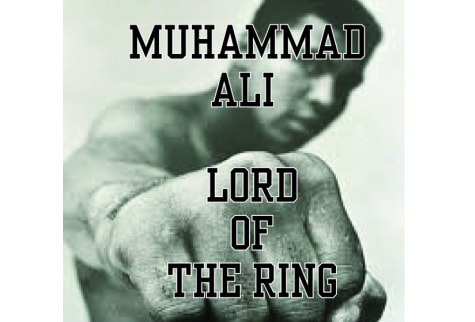
If I ever had any doubt about the power of Muhammad Ali as a cultural icon, it vanished when actor Gregory Hines broke down on the other end of the phone as he recalled for me the emotional devastation he felt over the fighter's brutal 1971 loss to Joe Frazier. For Hines and millions of others around the globe, the match was about so much more than who walked away with the championship belt at the end of the night. It was intertwined with issues of race, religion, politics, the generation gap, individualism and others tearing at the fabric of society at the time.
R.I.P. Kirk Douglas
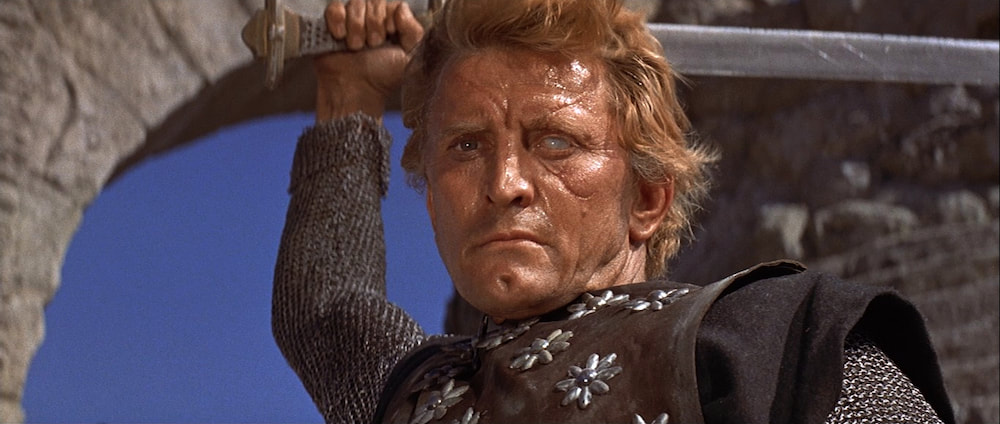
When I visited Kirk Douglas at his Beverly Hills home to interview him for The Hollywood Reporter in 2008, he was a few months shy of his 92nd birthday, but he answered the door himself, walking with knees that had been surgically replaced against doctors advice when he was 88. He suffered a major stroke in 1996 that left him with impaired speech, but it didn’t stop him from talking to the press, publishing a string of books, and showing up for the unveilings of the many school playgrounds throughout Los Angeles that he and his wife Anne helped rebuild and restore with their donations.
It was a courageous show of will – as well as a triumph over vanity – the same will that propelled the ragman’s son from childhood poverty to international stardom and was at the core of the relentless, driven characters he played on screen. But to me it was more significant in the way it revealed his neediness and vulnerability. After all he had accomplished, after all the accolades he had received over the decades, he still needed to prove himself to us, millions of strangers around the world, and win our love, respect and attention. That is the soul of an actor, folks. 
Congress' Tax Plan Inspiring Anxiety in Hollywood's Rank & File
As a professional juggler, Michael Rayner has a lot of work-related tax deductions each year, including $700 for the cheeseburgers he spins atop parasols, 30,000 travel miles and $220 for liability insurance, just in case one of the pins or flaming torches he flips into the air should somehow stray into the audience.
His wife, actress and voiceover artist Moira Quirk, also has a wealth of business-related deductions, the most significant of which is the 10% commission she pays her agent. And they write off 25% of the mortgage and expenses for their North Hollywood house for their respective home offices, which include a recording booth for her and rehearsal and juggling supply storage areas for him. Now, the massive tax bills passed by the House and the Senate (429 and 479 pages, respectively) earlier this month have thrown the future of these write-offs into question, casting a cloud of fear and uncertainty over the financial fates of Rayner and other workaday entertainment pros. The panic has been amplified by a widely shared Facebook posting erroneously asserting that deductions for unreimbursed business expenses were being eliminated for small businesses and the self-employed. Streaming/VIRTUAL RealityPioneers at Felix & Paul Studios Break the Mold of Traditional Storytelling
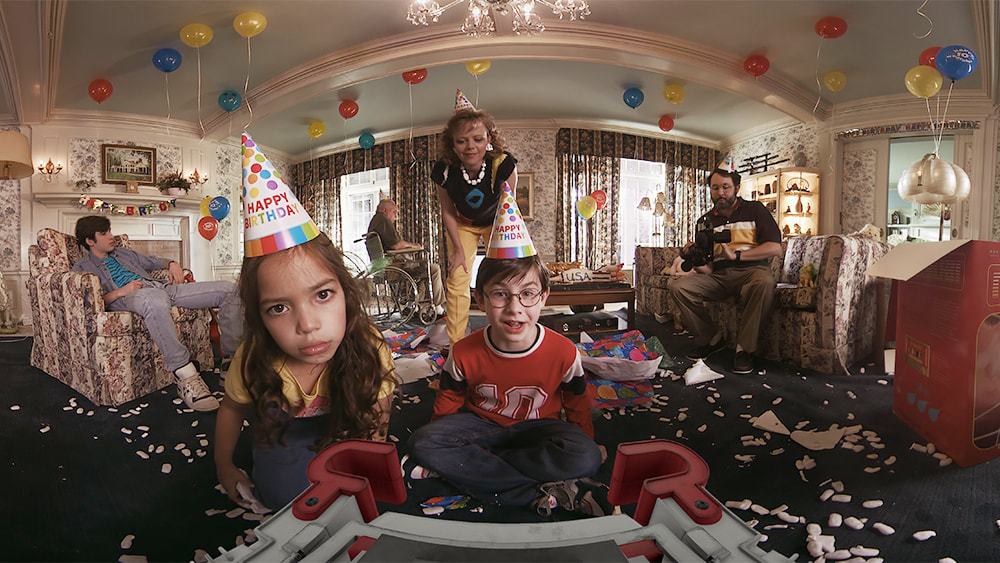
In the world of entertainment tech convergence, there are few nuts harder to crack than live-action virtual reality. The medium presents seemingly endless technical challenges, starting with how to shoot with a camera rig that can see everything all around it, or digitally create the illusion that it can.
Even more daunting are the storytelling challenges faced by filmmakers raised on cuts, close-ups and dolly shots, working in a medium in which edits are considered to be too jarring, camera movement can be nausea-inducing and the viewer’s gaze is free to wander away from the action. For those VR newbies, Felix & Paul Studios chief content officer Ryan Horrigan has some advice: check your baggage at the door. Computing Clout Helps Hollywood Tap Potential of Immersive Content
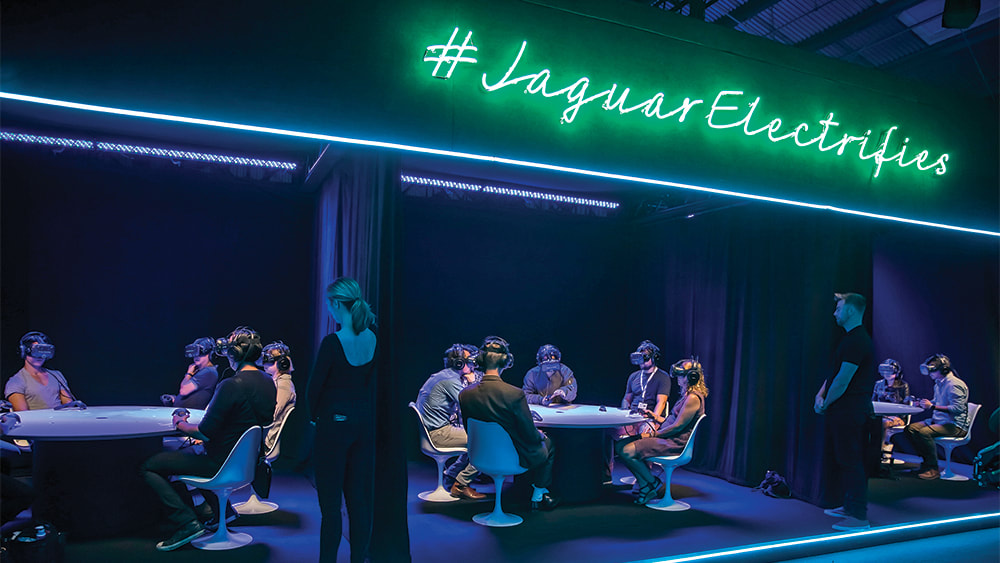
While some big-name computer makers spend countless millions on hip marketing campaigns to inspire round-the-block, first-day-of-sale lines for their latest devices, Dell has been quietly positioning itself on the bleeding edge of virtual reality (VR) and augmented reality (AR) technology.
In recent months, the Texas-based company has partnered with major studios to provide technology and expertise for immersive companion pieces to tentpole releases that put viewers inside the womb of an alien (Fox’s “Alien: Covenant”), on France’s coast in WWII (Warner Bros.’ “Dunkirk”), in the midst of the Spanish Inquisition (Fox’s “Assassin’s Creed”) and in the web-slinging unitard of a superhero (“Spider-Man: Homecoming”). “I’ve had some [projects] we had to turn down because you can’t do everything,” says Gary Radburn, director of VR/AR for Dell. “People are seeing us as a technical innovator, a leader in solutions, and not just as hardware provider.” 'Star Wars' Franchise Launches Location-Based VR Offshoot

One of the biggest impediments to the growth of virtual reality is the expensive equipment consumers must buy to experience it at home. That’s why many are placing their bets on location-based VR experiences that are bigger and more elaborate than anything that can be ported into someone’s living room, such as “Star Wars: Secrets of the Empire,” which was previewed for journalists at the Disney Accelerator in Glendale.
Variety's 10 Virtual Reality Innovators to Watch

Virtual Reality (VR) and augmented reality (AR) are at the center of the tech-entertainment convergence, attracting billions in venture capital and producing near-hysterical levels of expectation. In spite of the new excitement and attention, the people innovating in these fields remain largely unknown to those in traditional showbiz circles and the public at large. With this in mind, we shine the Variety spotlight on 10 VR Innovators to Watch. These are VR and AR pros who are not just pushing the boundaries of gaming and storytelling, but also creating new software tools that will change the way people work and live.
Virtual Reality in Sports Poses Unique Challenges for Producers
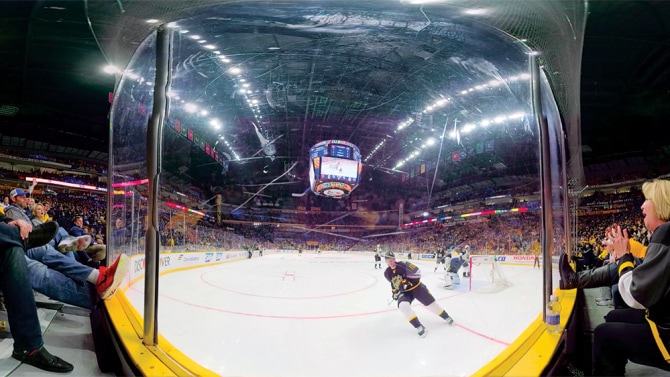
“The average person thinks they’d love to stand on the sidelines to watch an NFL game,” says Cliff Plumer, president of Jaunt VR’s production arm, Jaunt Studio. “They’ll learn that it’s the worst place to stand. You can have an action all the way across the field, and it’ll seem very far away. So how you cover that for VR is much more challenging than traditional broadcast.”
VIDEOLos Angeles' New Tech Scene Flourishes Downtown
In my article for Variety, find out why digital media companies like All Def Digital, Collab, Evite and Portal A have turned away from Venice, Santa Monica, Playa Vista and other high-rent Silicon Beach hot spots and set up shop in Downtown Los Angeles.
Also check out my companion video for the article, above.
Go90's "The Runner" Series Explained
I visit the command center for Go90's "The Runner" and get the lowdown on the mobile-first reality competition series from host Matt Patrick (a.k.a. MatPat), executive producer/Pilgrim Media Group CEO Craig Piligian, and Chip Canter, GM of digital entertainment/Go90 for Verizon.
FLASHBACK
What did it take to stage this year's Super Bowl halftime show by Justin Timberlake? I don't know. But this piece I did about The Who's Super Bowl halftime show in 2010 will give you an idea.
"Dawn of the Planet of the Apes"/"War for Planet of the Apes" director Matt Reeves isn't a new newcomer to the upside-down simian-ruled world. As a child he was obsessed with the original franchise, launched in 1968 with "Planet of the Apes," starring Charlton Heston. "I had a best friend named Mark Sanderson," Reeves told Film School Rejects. "We'd call each other on the phone and say "Let's go play apes!' We would act out 'Planet of the Apes.' I made a Super 8 movie with the title 'Galactic Battles,'" mixing "Apes" with "Star Wars."
If you want the full story about Reeves' adolescent cinematic collaborations with Sanderson, J.J. Abrams ("Star Trek," "Star Wars"), cinematographer Larry Fong and others, read my blog post "The Real Kids of 'Super 8.'"
Showbiz Heavyweights Take Shots at the Big Leagues, But Not All Score
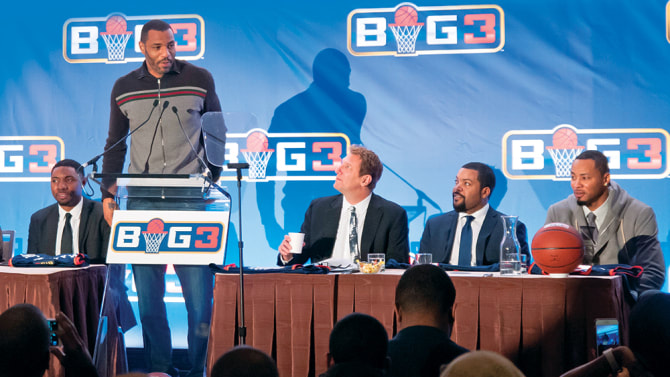
Sitting courtside, cheering your team on, rubbing shoulders with elite athletes and, hopefully, one day lifting that championship trophy high as the team bathes you in a champagne shower — it’s the kind of thrill you can’t get reciting lines in front of a green screen.
So it’s no surprise to find that an increasing number of celebrities are investing in major league teams, including the NBA’s Memphis Grizzlies (Justin Timberlake), Philadelphia 76ers (Will & Jada Pinkett Smith) and the NFL’s Miami Dolphins (Jennifer Lopez, Gloria & Emilio Estefan, Serena & Venus Williams and Fergie). Rapper-actor Ice Cube has taken it a step further, teaming with manager Jeff Kwatinetz to launch their own three-on-three basketball league, Big3, featuring former NBA stars including Allen Iverson. But veteran Hollywood producer Peter Guber has a word of caution for anyone considering an investment in a sports franchise ... Recovering from a Lull, Film & TV Production in New Mexico is Back in Business
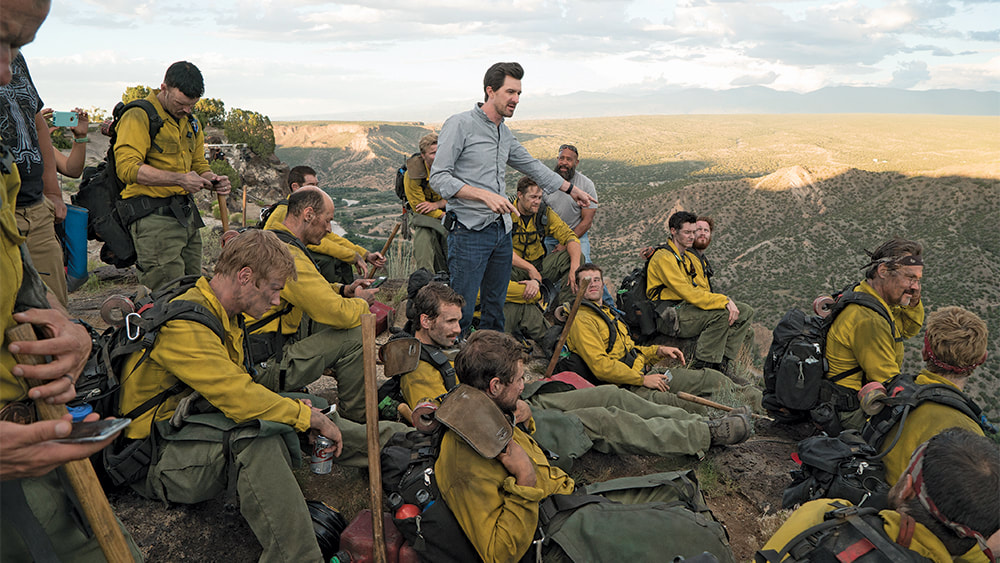
Actress Lora Martinez-Cunningham had been pounding the pavement in Los Angeles for 13 years. She landed a handful of TV series guest spots, but true success was elusive. Then the Chino Hills earthquake hit in July 2008, rattling Martinez-Cunningham’s tiny apartment and her nerves. She decided she’d had enough; it was time go back home to New Mexico.
But that didn’t mean Martinez-Cunningham was giving up on show business. Far from it. Thanks to a generous tax incentive program established in 2002 under then-Gov. Gary Johnson, New Mexico was attracting a wealth of production, from the hit TV series “Breaking Bad” to high-profile features such as the Coen brothers’ “No Country for Old Men” and James Mangold’s “3:10 to Yuma.” Could Georgia Be the New Hollywood for Young Acting Talent?

Growing up in Atlanta, Shannon Purser showed a passion for acting from an early age, appearing in plays in elementary and middle school, as well as at church. A decade earlier, it might’ve put her on a path to become a theater major in college and maybe one day pursue a professional career in Los Angeles or New York.
But in 2009, Georgia enacted a 30% film and TV tax credit, transforming the state from a show business also-ran, best known as the home of Tyler Perry and CNN, into one of the busiest production hubs in the world. So when Purser appeared in a showcase with the Atlanta Workshop Players at the age of 16, she was able to attract the interest of Rick Estimond, VP of the local talent agency People Store, which sent her out on auditions, where she landed the role of Barb in Netflix’s “Stranger Things” before graduating from high school and, ultimately, snagging an Emmy nomination. And she did it all without leaving her home state. |
|
|
|
